Find Your Condition.
Meet Your Therapist.
Every tendon, ligament, and vertebra — illustrated, explained, and linked to the clinician who treats it. No guesswork. No generic advice.
Select your body region


2,400+ patients matched this month
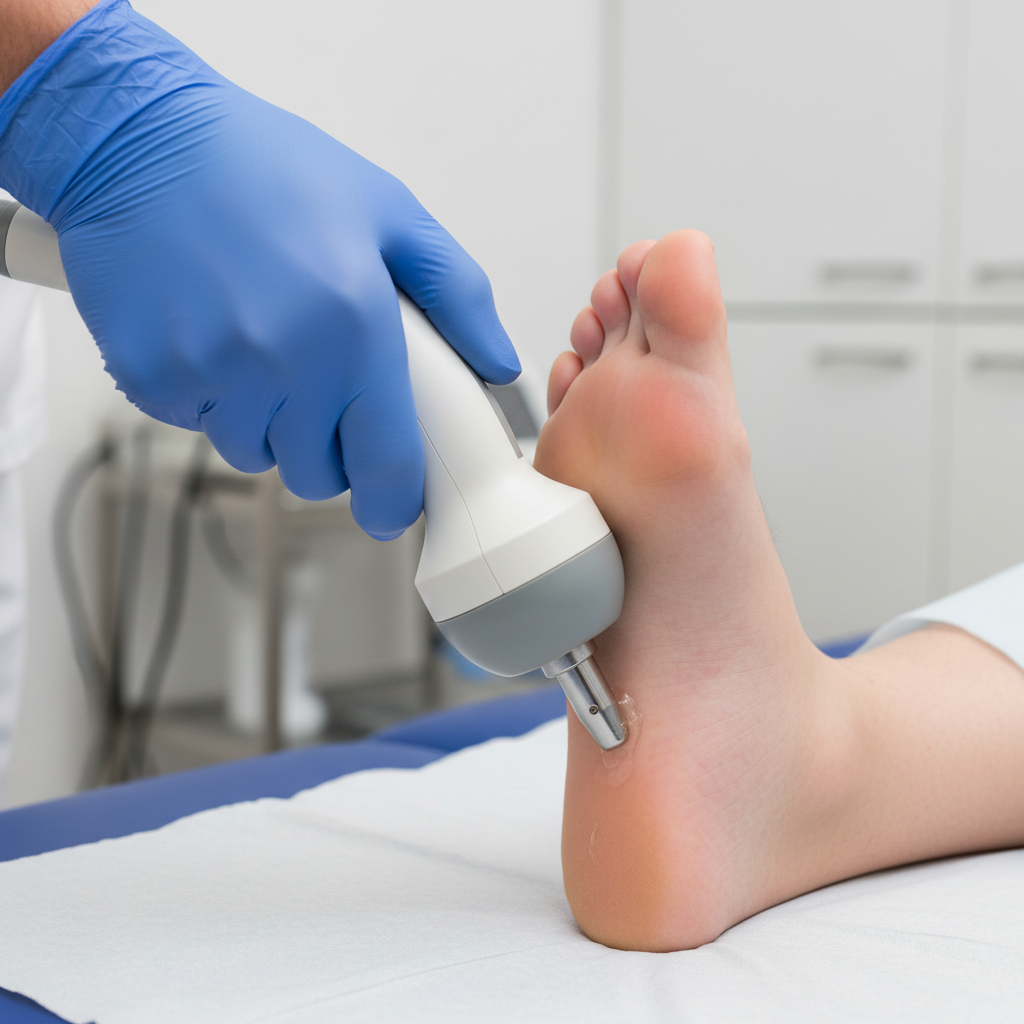
Plantar Fasciitis
The first step of the morning that stops you cold.
Inflammation of the thick band of tissue running across the bottom of your foot. Characteristically sharp heel pain with first steps, easing mid-day before returning after prolonged standing.
Dr. Mara Okonkwo
DPT, OCS, CSCS
Foot & Ankle Specialist
Most plantar fasciitis is a loading problem, not a rest problem. We teach the foot to absorb force again.
I spent four years studying gait biomechanics because the foot is the first conversation between your body and the ground. When that conversation breaks down, everything above it compensates.
Rotator Cuff Tear
The overhead reach that became a negotiation.
Partial or full-thickness tears of the supraspinatus, infraspinatus, teres minor, or subscapularis tendons. Presents as aching shoulder pain with weakness, especially when lifting the arm above shoulder height.

James Whitfield
DPT, SCS, Cert. MDT
Shoulder & Upper Extremity
Surgery is often the last chapter, not the first. I've seen full tears resolve beautifully with the right progressive loading protocol.
The shoulder is the most mobile joint in the body — and mobility without stability is just instability. My work is always about rebuilding that balance, not just eliminating pain.
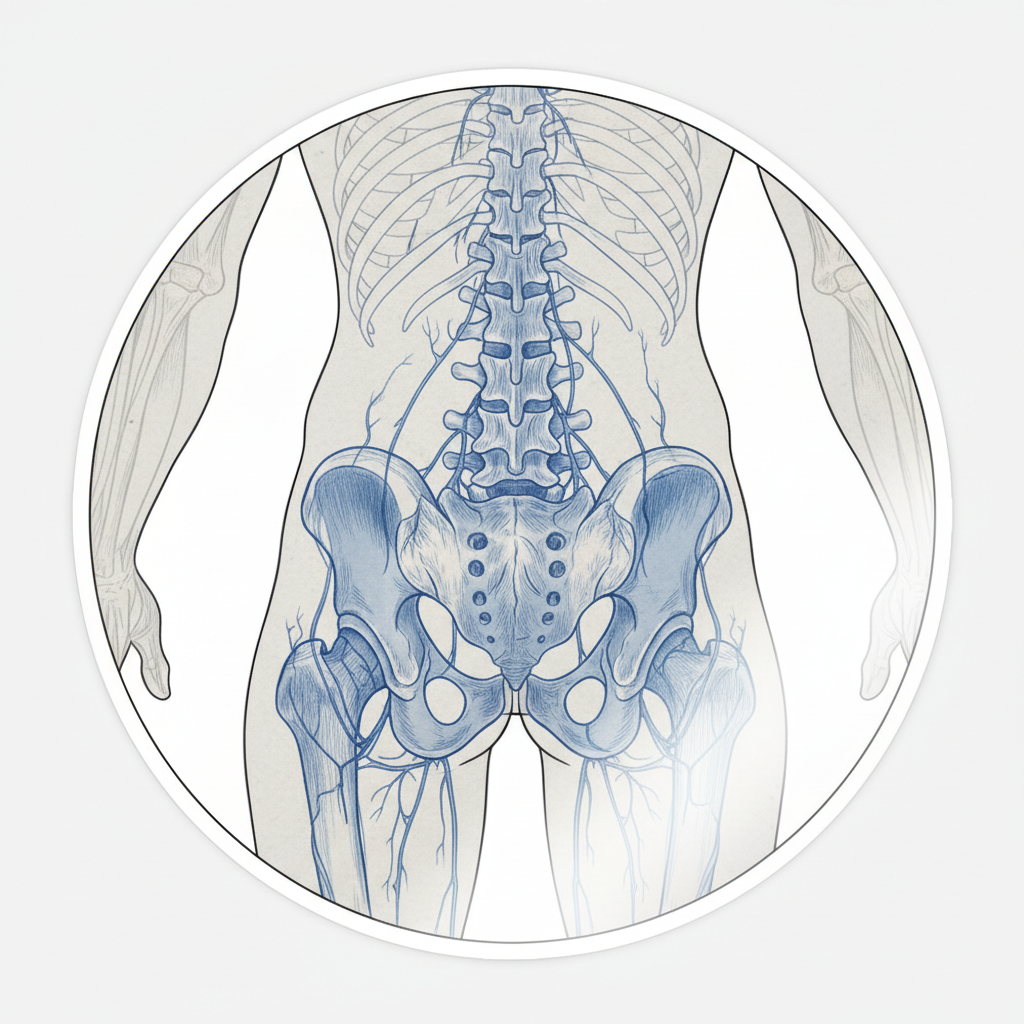
Lumbar Disc Herniation
When the pain has a zip code down your leg.
Displacement of nucleus pulposus material through the annulus fibrosus, often compressing adjacent nerve roots. Produces classic dermatomal leg pain (sciatica), numbness, and in severe cases, weakness in the foot.

Dr. Priya Krishnamurthy
DPT, PhD, FAAOMPT
Spine & Neurodynamics
The disc is not the enemy. Disc herniations resorb spontaneously in 66% of cases. The question is: what does your nervous system need to calm down?
I completed my PhD on neurodynamic tension testing because I believe back pain is misunderstood at a systems level. The spine is a highway, and we need to look at every on-ramp.
IT Band Syndrome
The lateral knee fire that appears at mile 8.
Compression of the iliotibial band against the lateral femoral epicondyle. Affects runners with characteristic sharp lateral knee pain that appears predictably at a specific mileage and forces a walk.

Tyler Nguyen
DPT, CSCS, RunSafe Certified
Running Medicine & Knee
IT band syndrome is a hip problem wearing a knee costume. I always start 15 centimeters north of where it hurts.
I ran collegiately and then blew out my own IT band. That experience taught me that runners don't need to stop — they need to understand why their hip abductors are on vacation.
Specialists, not generalists. Each one spent a career here.

Dr. Mara Okonkwo
DPT, OCS, CSCS
Foot & Ankle Specialist
“The foot is your foundation. Every compensation starts here.”
James Whitfield
DPT, SCS, Cert. MDT
Shoulder & Upper Extremity
“Mobility without stability is just instability with a longer runway.”

Dr. Priya Krishnamurthy
DPT, PhD, FAAOMPT
Spine & Neurodynamics
“The nervous system is always listening. We just have to learn its language.”

Tyler Nguyen
DPT, CSCS, RunSafe
Running Medicine & Knee
“Runners don't need to stop. They need to understand why their hip is on vacation.”
Dr. Sofia Reyes
DPT, cert. Pilates, FRCms
Postural & Thoracic Spine
“The thoracic spine is the most ignored region in the body — and the most consequential.”
Three questions to the right condition page.
Our symptom sorter routes you to the most likely condition — and the therapist who treats it — before asking for anything.
Where is your primary pain or discomfort?
Select the body region that bothers you most right now.
Book Your Assessment.
A 50-minute initial assessment with your matched specialist. They'll name the mechanism, explain the path, and hand you a written treatment plan before you leave.
Movement screen
We watch how you move before we ask where it hurts.
Mechanism diagnosis
A specific clinical name for your specific problem.
Written treatment plan
Yours to keep, regardless of what you decide next.
Therapist match guarantee
If we're not the right fit, we'll tell you who is.